← Back to work
Case Study — 2024

Airbnb True-to-Listing Program
Building trust through user-verified listings and AI-powered accuracy.
Role: UX Designer (solo project)
Tools: Figma

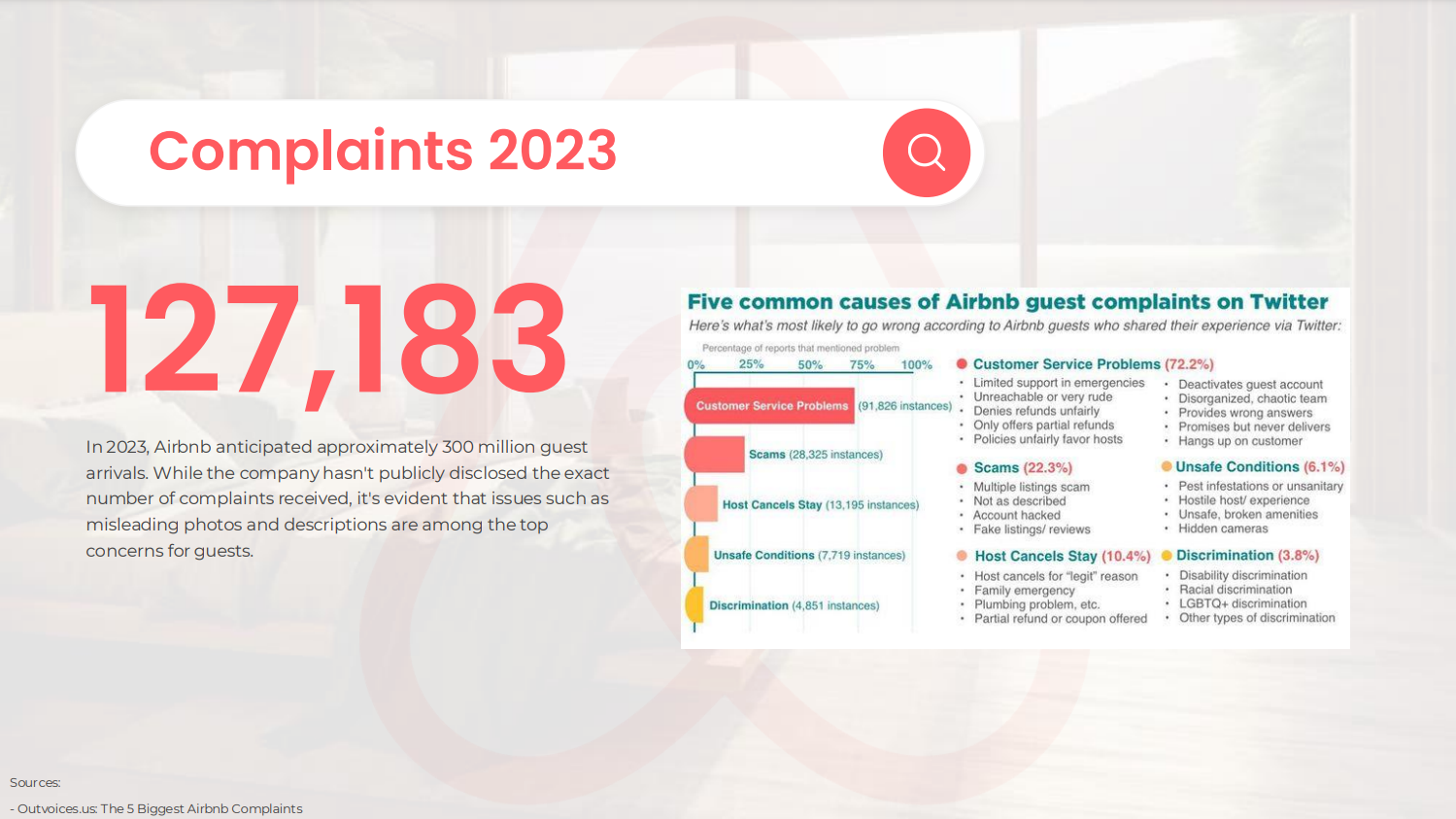
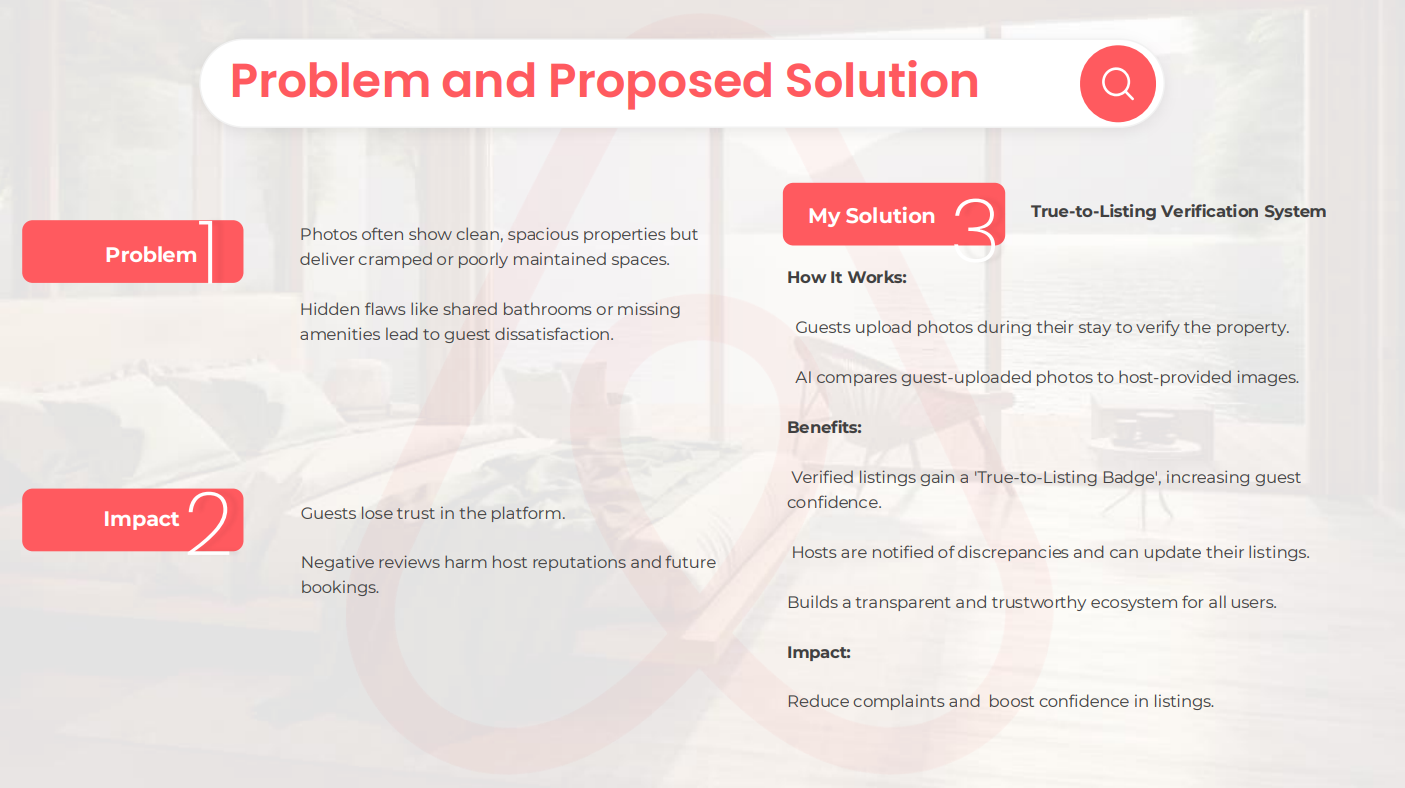
Airbnb users often encounter discrepancies between property photos and actual conditions — leading to dissatisfaction, negative reviews, and a gradual erosion of the platform's core value proposition: trust.
Without a clear verification process, users struggle to confidently book properties that meet their expectations. The gap between a beautifully photographed listing and the reality of a stay has become one of the most commonly cited frustrations across Airbnb's review ecosystem.
This creates a compounding problem: hosts who are genuinely accurate in their listings lose bookings to over-edited photography, while guests lose confidence in the platform as a whole. The business case for solving this is clear — trust is Airbnb's most valuable product.
"I've been burned before. Now I always read the reviews obsessively before booking — but even that isn't always enough."— Survey respondent
Surveys targeting Airbnb users formed the core of the research, alongside analysis of complaint data and demographic trends to shape design decisions.
Research goal: Identify Airbnb user pain points, particularly regarding trust and transparency in listings — and understand what would motivate users to participate in a community verification system.
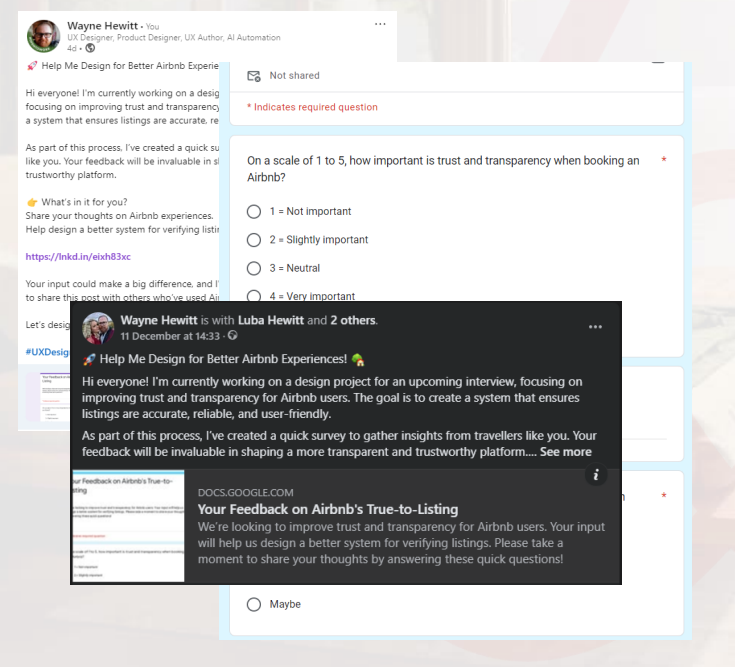
rated trust as "Very Important" or "Extremely Important" — confirming trust as the dominant booking factor, above price and location.
responded "Yes" or "Maybe" — a significant majority indicating genuine appetite for participation if the friction is low enough.
expressed only "Neutral" or "Slight Confidence" in listing accuracy. Half the platform's users are booking with significant uncertainty — a major trust failure.
Understanding the demographic landscape informed both the design of the verification flow and the reward system that would motivate participation.
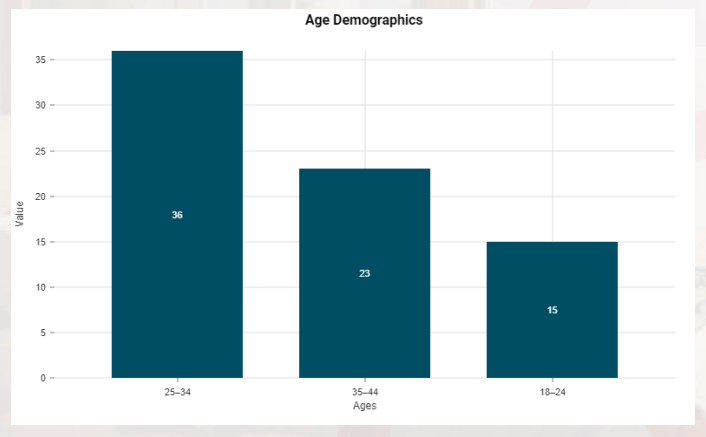
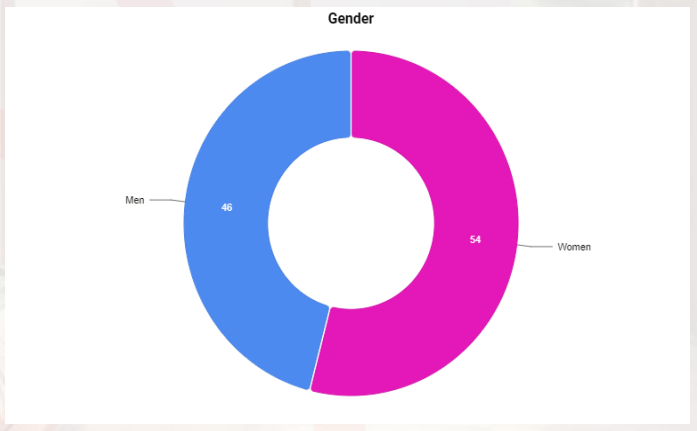
The 25–34 age group represents 36% of Airbnb users — the most vocal segment in reviews and the most likely early adopters of a new feature. Family bookings have grown 60% vs pre-pandemic levels, with this segment having a particularly high need for listing accuracy. A child-safe property must be exactly as described.
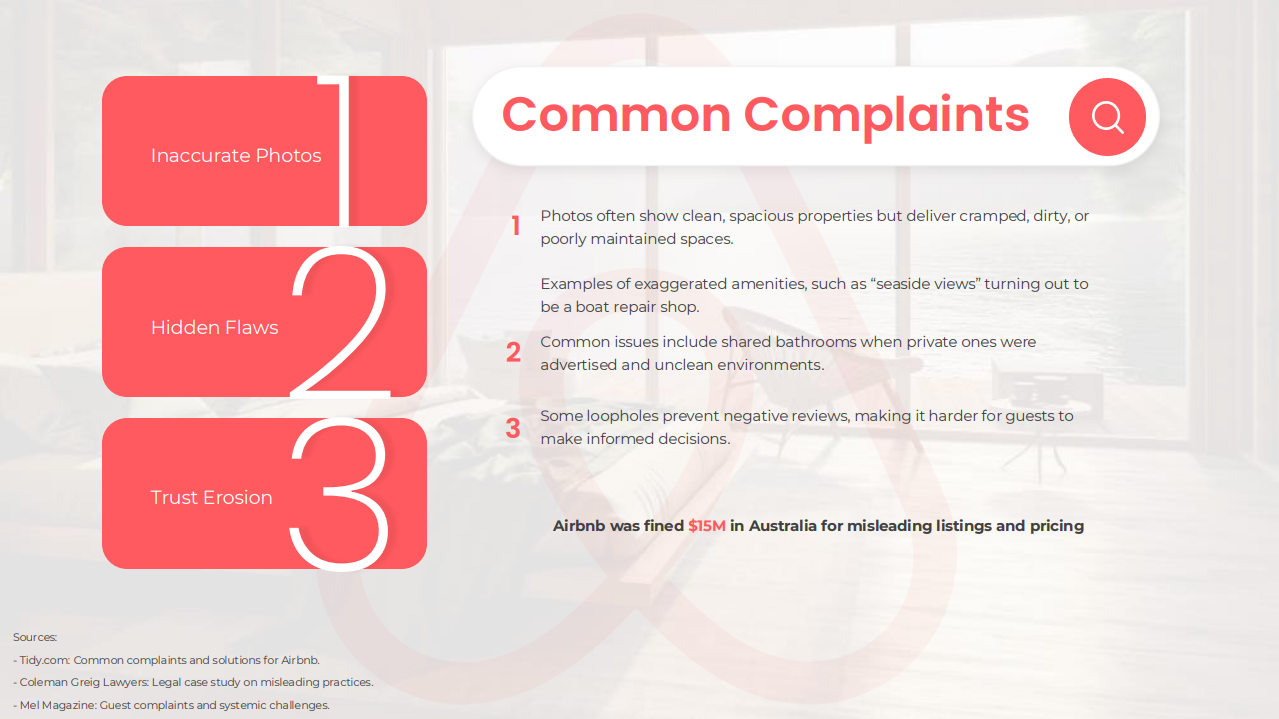
The True-to-Listing Program is a community-powered verification system where guests submit photos of their stay, and AI compares them against the host's original listing images to flag discrepancies.
The solution has four interconnected components: a guest photo submission flow triggered post check-in, an AI comparison engine, a host notification and resolution system, and a rewards programme that incentivises guest participation.
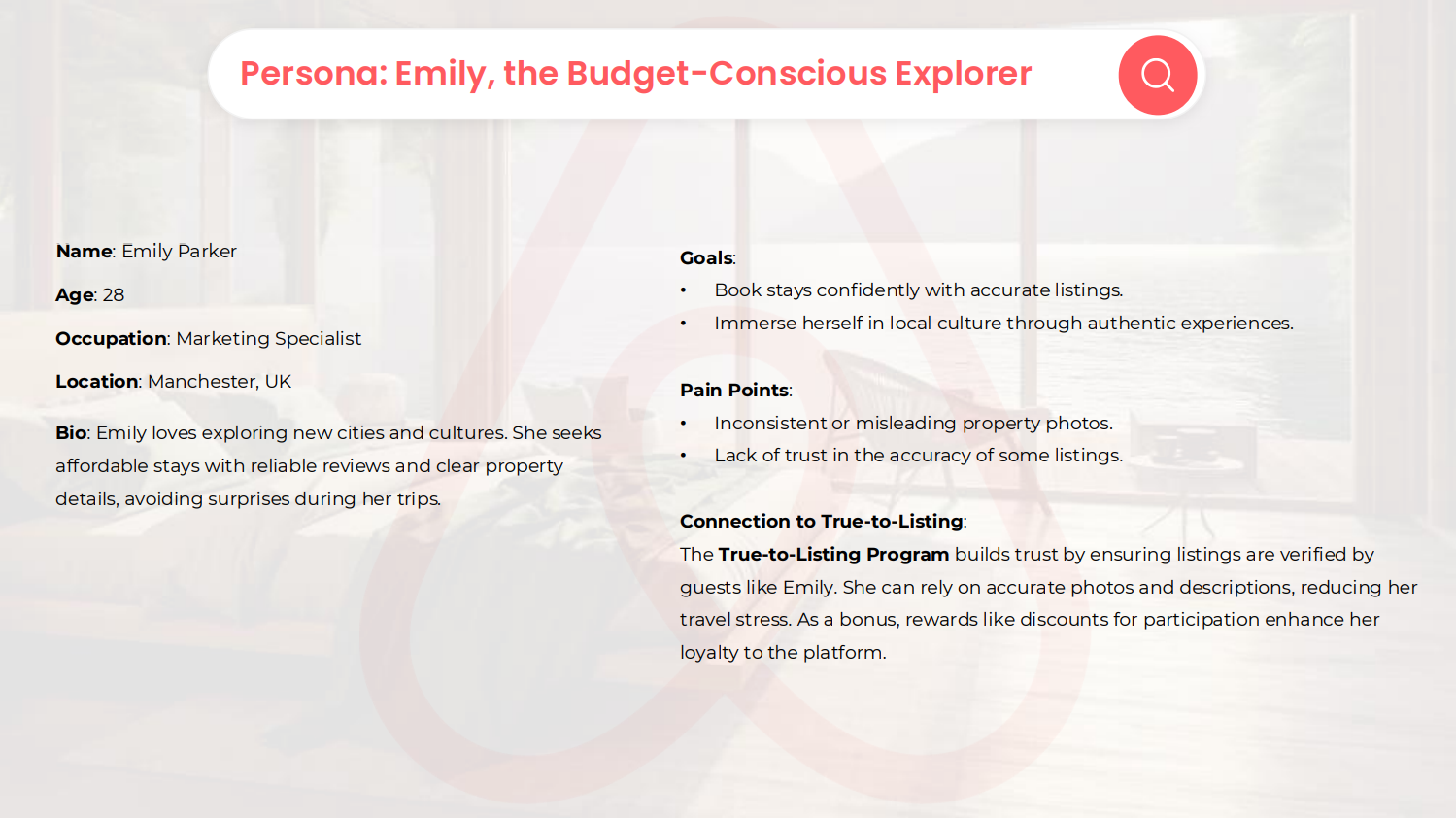
A primary persona was developed from the survey data to represent the core user and guide every design decision throughout the project.
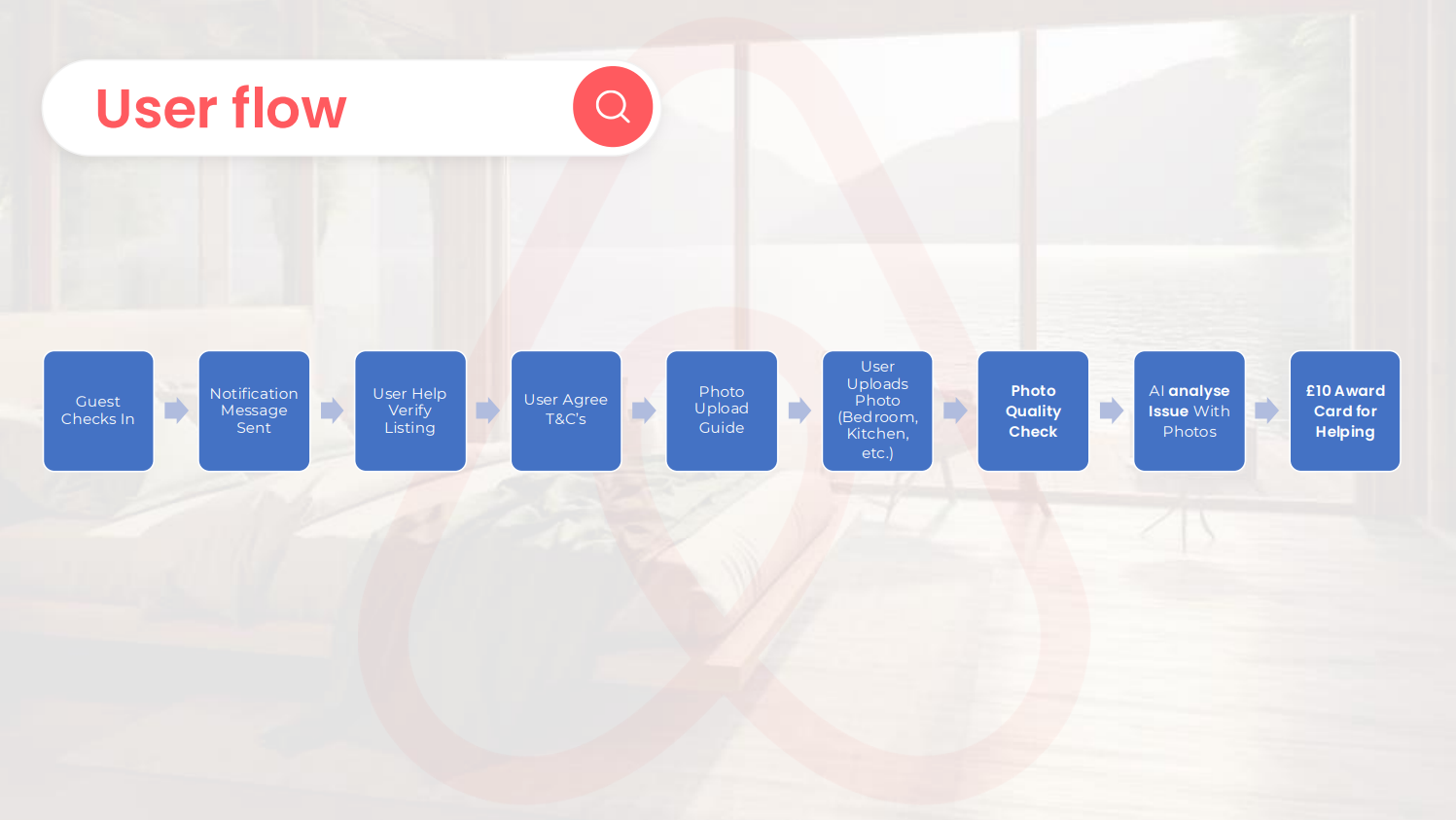
Three flows were designed: the basic program overview, the guest verification journey, and the host resolution journey when a listing is flagged.
The goal was to minimise friction for the guest while ensuring the host had a clear, fair, and timely process for resolving any flagged discrepancies. Both flows had to maintain trust in the platform — with hosts as well as guests.
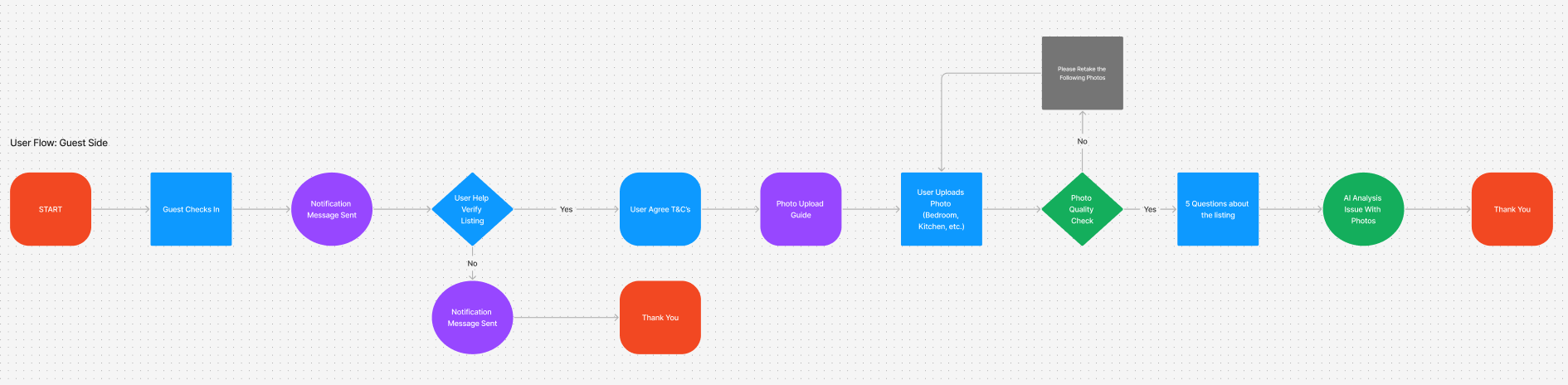
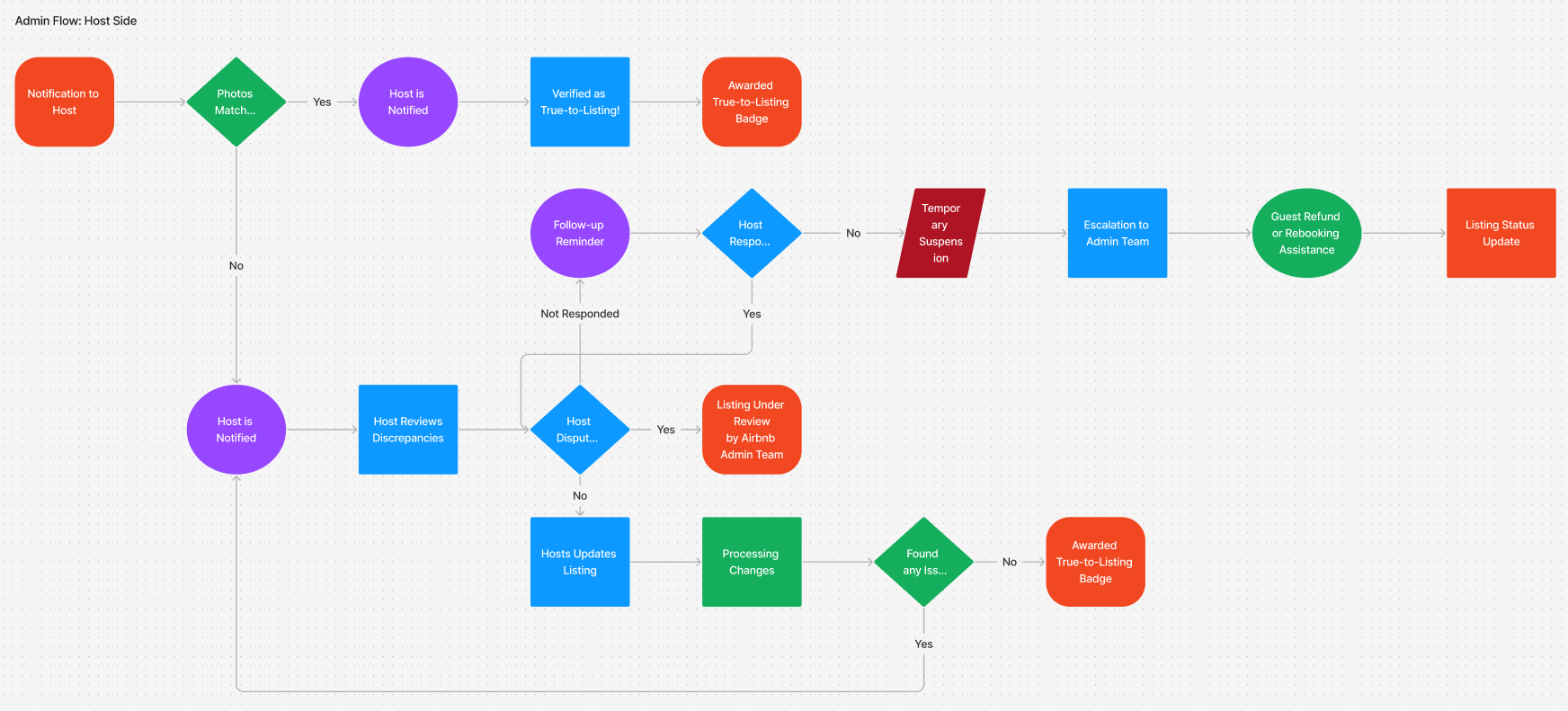
The design process began with wireframes to validate core interactions before moving to high-fidelity screens that brought the program to life within Airbnb's existing design language.
The initial wireframes focused on the key decision points in the guest flow — particularly the onboarding step and the guided photo upload, identified as the highest-friction moments likely to cause drop-off. The low-fidelity files were lost due to a Google Drive issue; the high-fidelity designs and interactive prototype below represent the final output.
Ensures users understand their participation and agree to the process. Designed to be scannable — key points surfaced as bullets rather than dense legal text. The goal: informed consent without overwhelming friction.
Clear, room-by-room guidance on capturing and submitting accurate photos. Camera-first interaction pattern reduces cognitive load — capture first, tag second. On-screen prompts help users frame shots correctly.
Guest images shown alongside listing photos with flagged discrepancies highlighted. Clear visual language distinguishes "match," "minor difference," and "significant discrepancy" states — transparent and actionable.
Acknowledges user contribution and delivers the reward clearly — gift card credit or loyalty points. Closes the loop positively, reinforces participation behaviour, and includes a social sharing option to extend program awareness.
The full guest journey — from onboarding through photo submission and AI verification to reward redemption — built in Figma and interactive below.
The prototype demonstrates the design's usability, accessibility, and flow, allowing you to experience the journey as a guest would. Use the embed below or open it directly in Figma for the full experience.
Good UX design is never finished — it's validated, shipped, learned from, and improved. Here's what I identified as the areas I'd tackle next.
This project highlighted the importance of building trust through transparency and user participation. One of the key takeaways was understanding how UX can be a powerful tool for enhancing user confidence in a platform — not just through visual polish, but through system design that gives users genuine agency.
Balancing simplicity, functionality, and trustworthiness was the central design challenge throughout. The verification flow had to feel effortless for the guest while producing structured, useful data for the AI comparison engine — a tension that pushed careful thinking about what to collect at each step and what to defer or infer.
The process reaffirmed that the most valuable insights often come from watching someone use your prototype for the first time — not from assumptions made in a design sprint.